



How to Charge Your Electric Vehicle
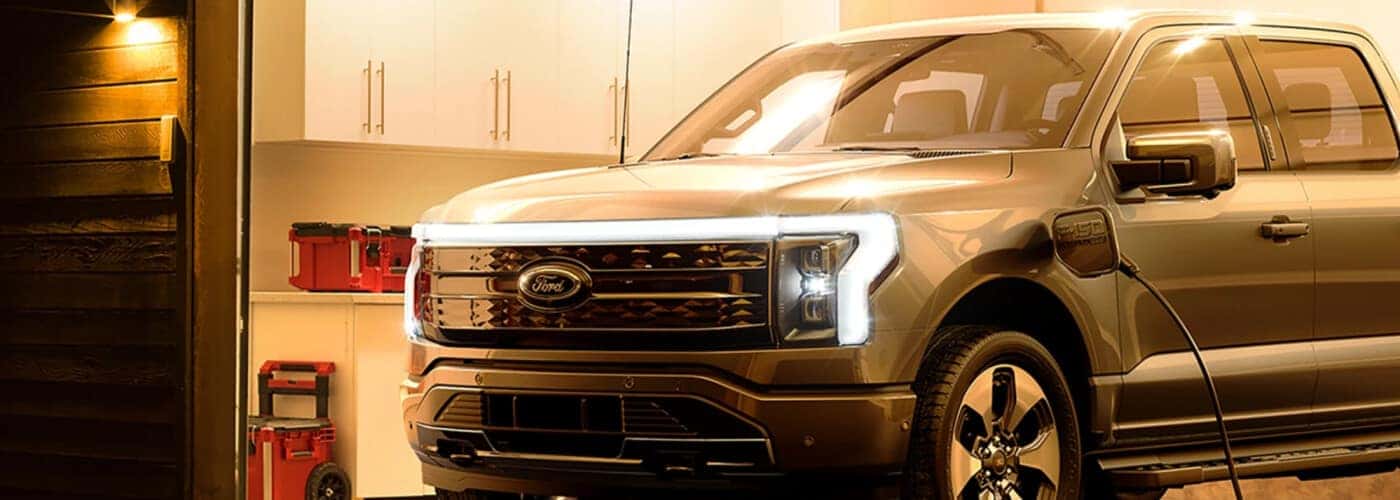
If you’re considering upgrading to an electric vehicle, you’re making an excellent decision. From federal tax credits to freedom from high gas prices, there are plenty of reasons to buy electric. However, you may have some questions about the EV lifestyle, like how to charge your electric vehicle. You’ll be pleased to know that charging your EV is as easy as plugging in your electronic devices! Learn the ins and outs of charging your electric vehicle with the team at Ford Crestview below!
EV Charging Options
First, let’s start with the different types of EV charging options available in public and at home:
- Standard 120-Volt Portable Charge Cord: Ideal for overnight charging, this method allows you to charge your vehicle just about anywhere. Simply plug your vehicle into a 3-prong outlet, and you’re good to go!
- Available 240-Volt Charging Unit: This charging station requires professional installation and is the fastest option for charging your vehicle at home.
- Available DC Fast Charging: These public charging stations are becoming increasingly popular in Milton and beyond, and can provide 100 miles of range in roughly 30 minutes.
How Much Does EV Charging Cost?
When you opt for an electric vehicle, skyrocketing gas prices quickly become irrelevant. This is more than enough reason for many Pensacola drivers to make the switch to an all-electric lifestyle. But, how much will it cost for you to charge your electric vehicle at home? You can find out how much money you will save by taking the following steps:
- First, get out your electric bill. Find the total cost of the bill and divide it by how many kilowatt-hours you used. This will give you the price you paid per kWh.
- Typically, an EV gets 3 to 4 miles per kWh. To get an estimate of how many kilowatt-hours you would use on a monthly basis, divide the total miles you drive each month by 3.
- Finally, multiply that number by your cost per kWh. Compare the dollar amount you get to how much you spend on gasoline in a month.
How to Equip Your Home with an EV Charging Station
If you’re planning to purchase an EV, you’ll want to make sure that your at-home charging station is ready to go before your new ride arrives. Here is what you’ll need to do:
-
- Choose a charging type. First, do some research to determine what type of at-home EV charging station is right for you. At-home electric vehicle charging stations are typically classified as Level 1 or Level 2.
- Prepare your garage. If you haven’t cleaned out or organized your garage in a while, now is the time to do so.
- Find your power panel and assess consumption. Your home’s power panel is rated for a maximum amount of current flow measured in Amperes. You can find your amperage rating on your main circuit breaker. To prevent overloading your electronic distribution panel, you’ll want to perform an assessment of how much electricity your household currently uses.
- Consult an electrician. Have a trained professional install your at-home EV charger. You can also take this time to discuss any concerns you have with your household’s current power consumption. For roughly $200, the electrician can install a 240-volt plug or add a hardwired circuit to the power panel. However, the price could jump to $1,000-$3,000 if your power panel is insufficient and needs to be upgraded.
Questions About the EV Lifestyle?
Are you ready to make the switch to an electric vehicle? If you still have questions about how to charge your electric vehicle or a different topic, please don’t hesitate to reach out! We’re here to ensure your transition to the EV lifestyle is a smooth and stress-free process.
:30